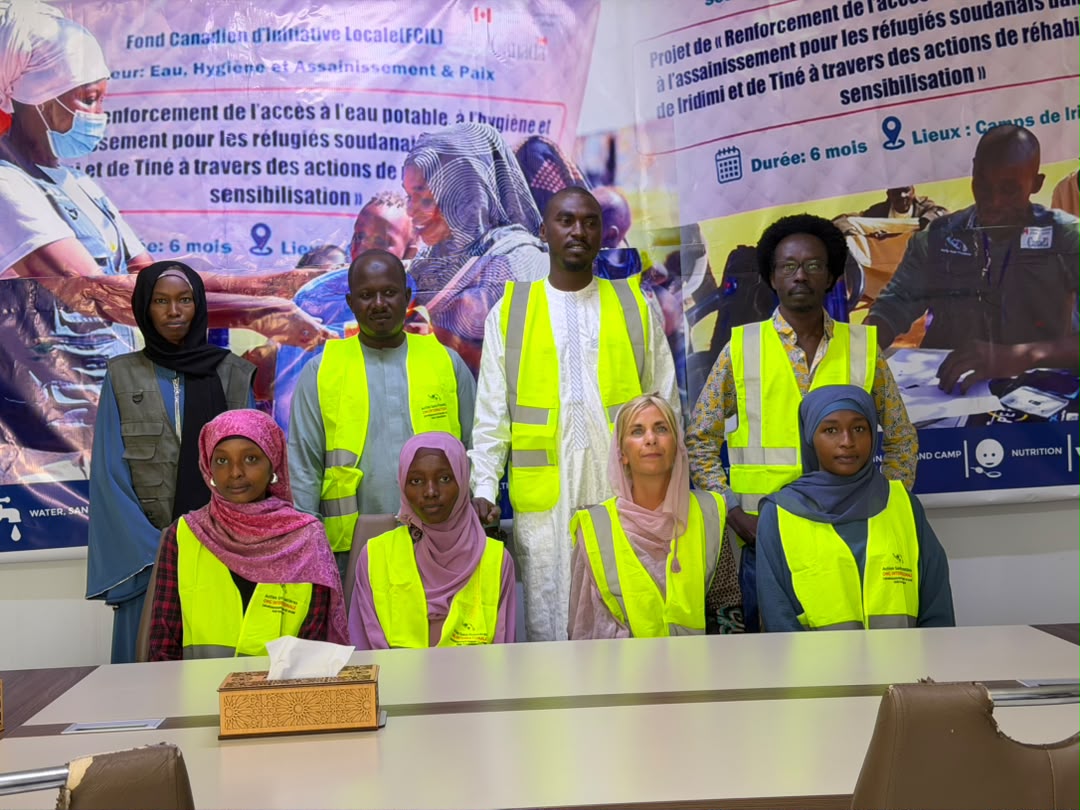
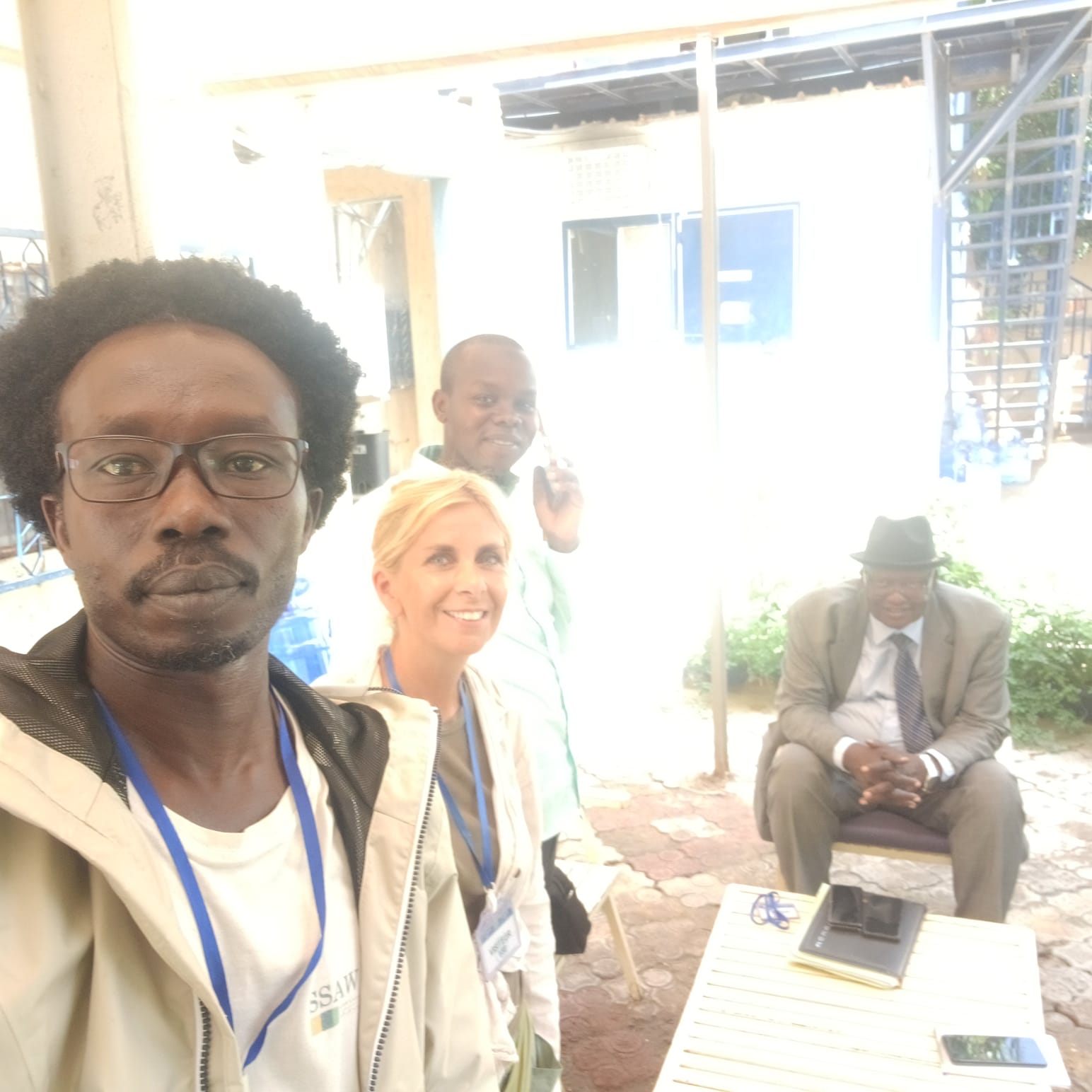
From 15 to 25 July 2026, a delegation from Support Survivors of African War (SSAW) and the Pre-Texts in Emergency PiE) Network carried out an exploratory and institutional mission to the Republic of Chad.
The delegation was led by Mr. Khalid Abaker, Legal Representative and Head of Mission of SSAW, and Dr. Sara Uboldi, researcher at the University of Chieti–Pescara, CCW – Cultural Welfare Centre, activist with Mediterranea Saving Humans, and coordinator of the Pre-Texts in Emergency protocol, under the scientific direction of Prof. Pier Luigi Sacco and Prof. Doris Sommer of Harvard University.
The mission was conducted in partnership with Action Sans Frontières (ASF), a Burkina Faso-based humanitarian organization operating in Chad. Its primary objective was to assess the needs of internally displaced populations and Sudanese refugees in the eastern regions of the country, with particular attention to the Abougoudam Refugee Camp, near Abéché.
Why Chad?
Chad is currently facing one of the most critical humanitarian situations in Africa. The ongoing conflict in Sudan, which began on 15 April 2023, has triggered a massive influx of refugees into Chad’s eastern provinces. To date, these regions have received over 1.2 million people, including approximately 875,000 Sudanese refugees and 300,000 Chadian returnees. The country’s humanitarian capacity is under severe strain, further exacerbated by the reduction of international aid and the withdrawal of US government support.
Simultaneously, Chad faces a growing security threat in the west, where extremist groups affiliated with Boko Haram continue to operate around Lake Chad. This dual pressure—humanitarian crisis in the east and security instability in the west—makes Chad a priority country for international humanitarian engagement.
Against this backdrop, SSAW and PiE sought to establish the institutional and operational conditions necessary to introduce the Pre-Texts in Emergency protocol, an innovative methodology that uses reading, art, and creativity as tools for psychosocial support and mental health promotion in crisis contexts.
Partners Involved
The mission was made possible through the collaboration of multiple institutional and humanitarian actors:
-
-
-
World Health Organization (WHO) — Expressed strong interest in the Pre-Texts protocol and proposed linking SSAW with the network of psychologists already active in refugee camps.
-
-
-
UNICEF — Recognised the complementarity between the Pre-Texts protocol and its Child Protection programmes, opening a technical coordination channel with the Chief of Child Protection in N’Djamena.
-
-
Caritas Mongo — Active in the Tiné transit camp with emergency food assistance; potential partner for integrating Pre-Texts into psychosocial support programmes.
Locations Visited
N’Djamena — The capital served as the operational base for the mission. The delegation held institutional meetings with government authorities, UN agencies, and humanitarian organisations. A visit was also made to the Orphelinat APSOA, a centre hosting 101 unaccompanied minors aged 0 to 14, where PiE donated a refrigerator for food and medicine conservation.
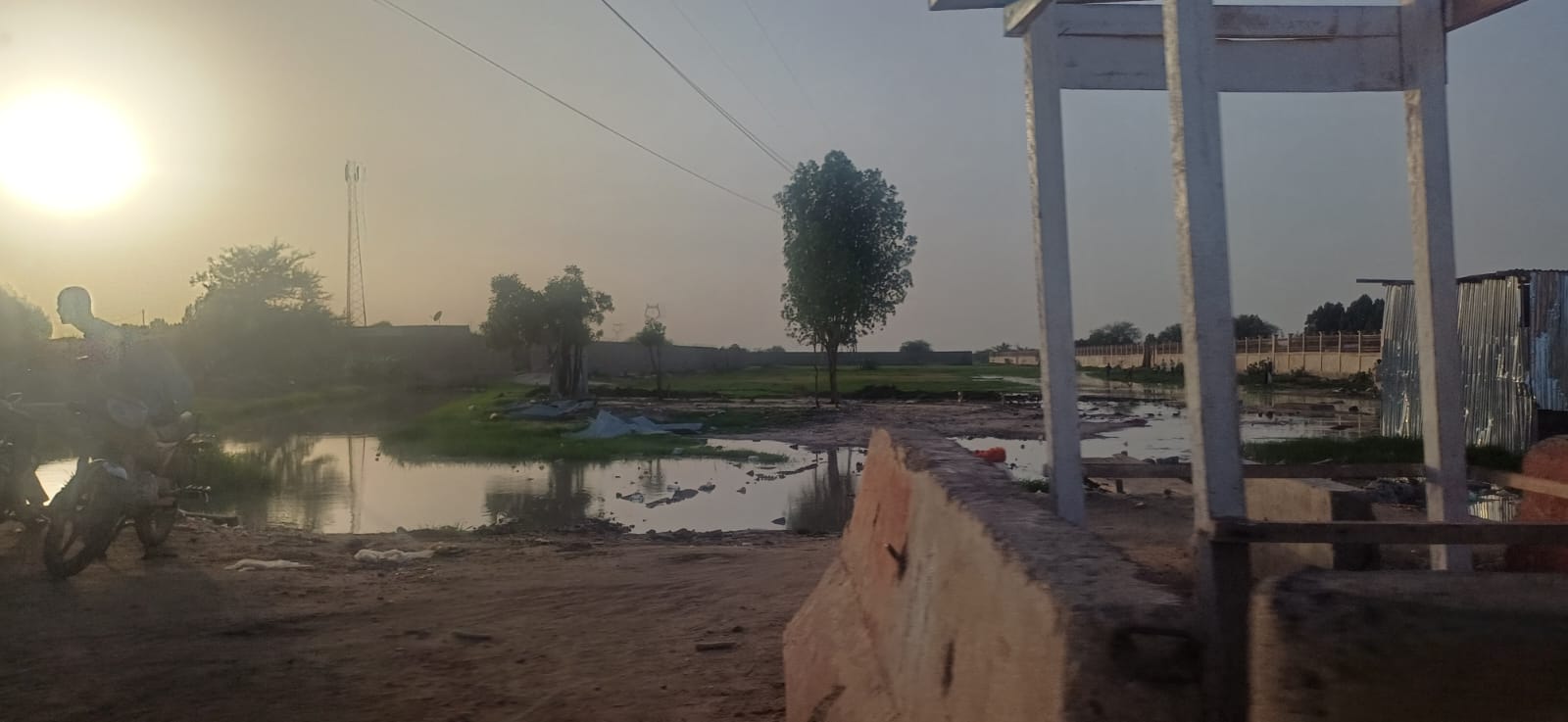
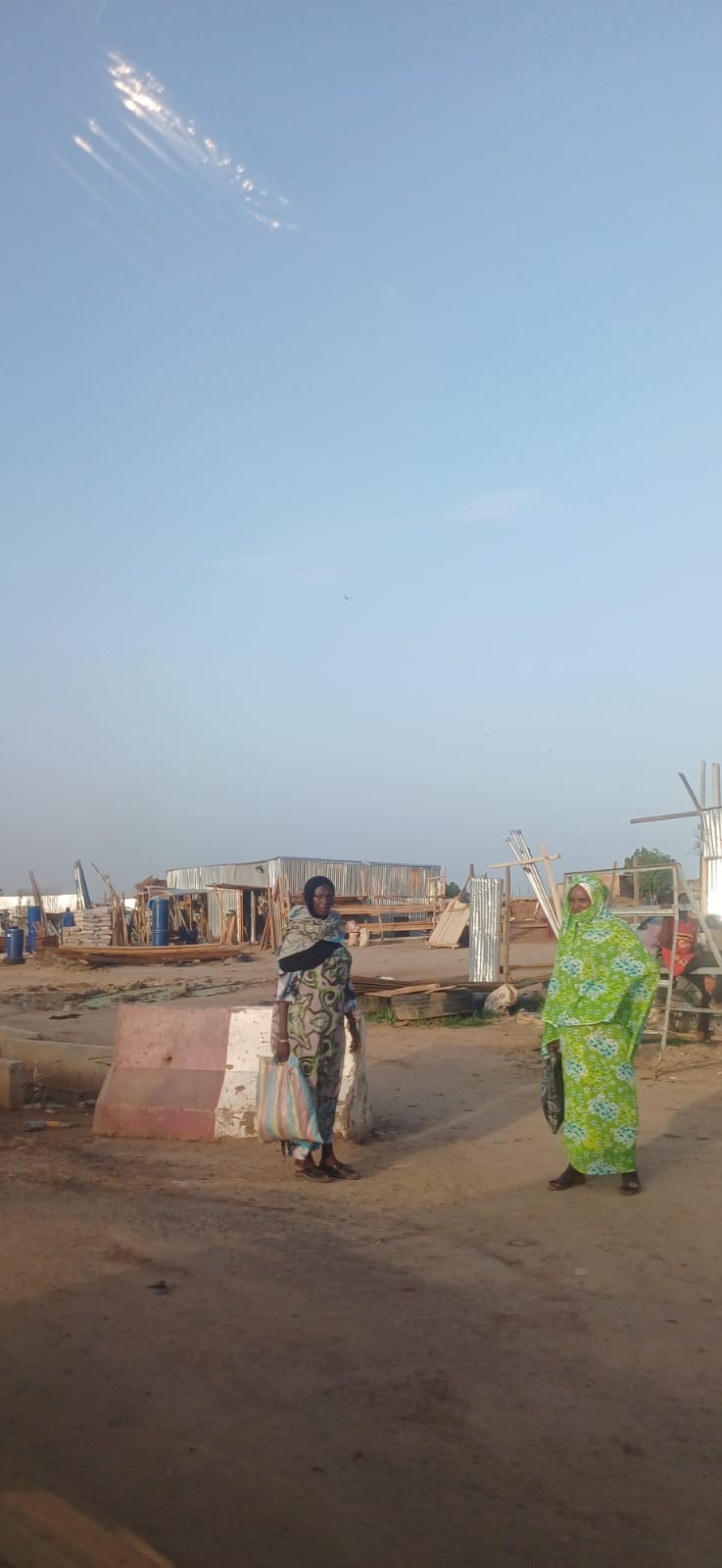
Gaoui — On 21 July, the delegation visited the Gaoui reception site near N’Djamena, originally established for refugees from the Central African Republic. The visit provided valuable insight into the living conditions of vulnerable communities and contributed to defining a broader intervention strategy.
Orphelinat APSOA — A centre in N’Djamena hosting 101 unaccompanied minors aged 0 to 14, including two children with disabilities. During the visit, the delegation was welcomed by the centre’s representative, Mme Mianodji Tabitha Haoua, and M. Laoukein Djéré Paulin. The Pre-Texts in Emergency network donated a refrigerator for the conservation of food and medicines — a first concrete gesture of solidarity. The team also collected a priority list of material needs from the centre’s management for future interventions. The encounter was deeply moving, offering the delegation the opportunity to meet the children directly and reinforcing the commitment to return with structured support through the Pre-Texts protocol.
Abougoudam (planned) — The mission intended to reach the Abougoudam refugee camp near Abéché, but administrative obstacles prevented access. Despite this setback, the delegation gathered crucial information about the camp through local testimonies.
Main Observations
The mission revealed several critical findings:
Institutional Access Challenges — Authorisation to access the Abougoudam camp was contingent on ASF assuming formal responsibility for accompanying the delegation. Last-minute changes in ASF personnel and unclear administrative procedures prevented the field visit from taking place.
Camp Dynamics — According to testimonies gathered, Abougoudam hosts 216 tents and 786 families, including 218 children and 30 persons with disabilities. The camp operates informally, without official recognition from the authorities. Refugees reportedly prefer to remain in this unofficial camp rather than relocate to formal camps like Adré, where conditions may be perceived as equally or more precarious.
Humanitarian Needs — The Tiné transit camp, supported by Caritas Mongo, has distributed over 250,000 hot meals to an average of 1,880 people daily. Unaccompanied minors have at times represented two-thirds of the beneficiaries, highlighting the extreme vulnerability of children in this crisis.
Institutional Welcome — The Pre-Texts in Emergency protocol received a positive reception from Chadian authorities and international partners. The Ministry of Territorial Administration and Decentralisation explicitly recognised psychosocial support as a national priority for vulnerable populations.
Future Directions
The mission laid the groundwork for a robust network of institutional and operational partnerships. Key next steps include:
-
Formalising collaborations with WHO, IOM, UNICEF, OCHA, and INSO through memoranda of understanding or partnership agreements.
-
Submitting scientific documentation on the Pre-Texts protocol to institutional partners to enable technical deepening and future integration.
-
Resolving administrative obstacles with ASF to secure access to the Abougoudam camp for a future operational mission.
-
Developing a structured project for the Orphelinat APSOA, including the provision of priority materials and implementation of the Pre-Texts protocol.
-
Exploring synergies with Caritas Mongo to integrate Pre-Texts into ongoing psychosocial support activities at the Tiné camp.
-
Continuing security monitoring and humanitarian context analysis to adapt planning to the evolving situation in eastern Chad.
SSAW and Pre-Texts in Emergency remain committed to building sustainable, culturally appropriate interventions that protect the dignity, mental health, and right to education of the most vulnerable populations. The Chad mission marks a significant step in this journey, and the organisation looks forward to returning soon with the full Pre-Texts in Emergency programme.